


-

Add: HeBei ShengShi HongBang Cellulose Technology CO.,LTD.
-

Email
13180486930@163.com -

CONTACT US
+86 13180486930



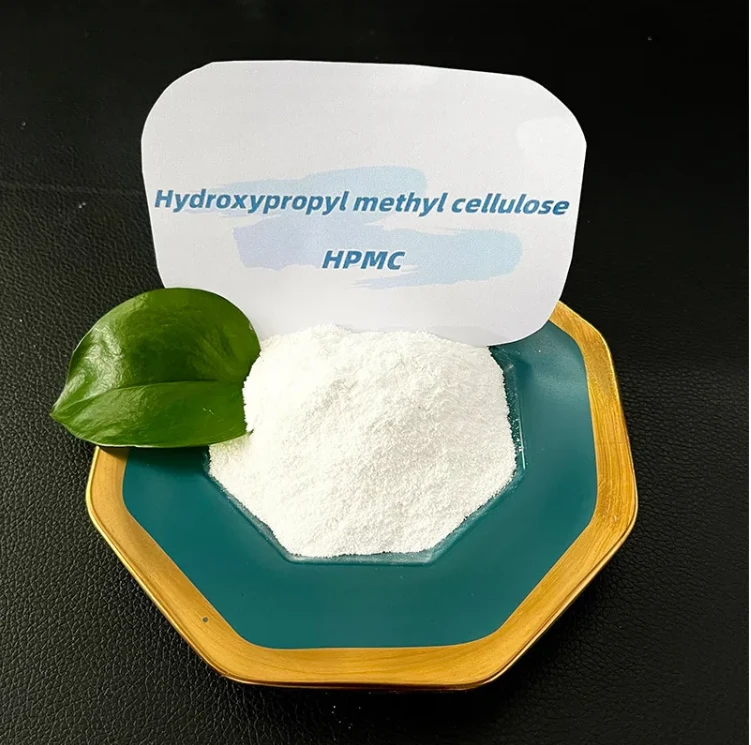
Hydroxypropyl methylcellulose (HPMC) is a versatile compound commonly used in various industries, ranging from pharmaceuticals to construction. With years of experience in the field, I have witnessed firsthand how the unique properties of HPMC make it an invaluable asset in product formulation. In the pharmaceutical industry, HPMC serves as a pivotal component due to its excellent biocompatibility and ability to form films. The compound acts as an excipient in controlled-release formulations, enhancing drug solubility and bioavailability. As someone deeply involved in drug development, I've seen HPMC improve drug stability while ensuring consistent therapeutic effects, which is crucial for patient safety and efficacy. Beyond pharmaceuticals , HPMC plays a crucial role in the food industry. Its non-toxic nature and ability to retain water make it an ideal emulsifier and thickening agent. HPMC can improve the texture and shelf life of food products, and its dietary fiber properties offer potential health benefits. My personal experiences working with HPMC in various food formulations reinforce its reliability and versatility in ensuring product quality and consumer satisfaction. In the realm of construction, HPMC offers significant benefits as a key ingredient in cement and mortar mixes. Its use enhances workability, water retention, and curing time of the products, thereby increasing durability and structural integrity. As an expert in construction materials, I have observed that the use of HPMC can significantly reduce material costs while maintaining high performance, which is a priority in the industry. hpmc is HPMC's application extends to personal care products as well. It serves as a thickening agent and stabilizer in creams, lotions, and shampoos. Given my involvement in product development within this domain, I can attest to HPMC's ability to improve product texture and stability, ensuring a pleasant user experience while maintaining efficacy. Extensive research supports HPMC's safety and effectiveness across these industries. The compound's biocompatibility and biodegradability contribute to its sustainability, aligning with the growing global emphasis on environmentally friendly materials. This authoritative evidence reassures manufacturers and consumers alike of its reliable performance. Trustworthiness in product formulation is paramount, and HPMC consistently delivers. Regulatory bodies such as the FDA and EMA acknowledge its safety for use in specified applications. This regulatory endorsement, combined with comprehensive scientific literature, underscores its credibility and instills confidence in its use. In summary, the multifaceted applications of HPMC across various industries highlight its indispensable role in modern product development. My extensive experience and expertise affirm its importance in formulating safe, effective, and high-quality products. As industries continue to evolve, HPMC's adaptability and proven performance will undoubtedly support innovation and excellence.
- 40000tons

Production
- 20+years

Experience
- 5000+㎡

Acreage

-

Understanding Cellulose Derived from Wood Cellulose is a vital organic compound that forms the structural component of the primary cell wall of green plants, many forms of algae, and the cell walls of bacteria. It is the most abundant organic polymer on Earth, and its significance cannot be overstated. When we talk about cellulose derived from wood, we are referencing a naturally occurring polysaccharide that plays a critical role in the ecosystem and has numerous applications in various industries. What is Cellulose? Chemically, cellulose is composed of linear chains of glucose molecules linked by β(1→4) glycosidic bonds. This structure provides cellulose with rigidity, making it an essential component of plant cell walls. In trees and other woody plants, cellulose constitutes a significant portion of the biomass. It serves not only for structural support but also plays a vital role in the plant's ability to resist various environmental stresses. The Extraction of Cellulose from Wood The extraction of cellulose from wood typically involves several processes. Wood is primarily made of three components cellulose, hemicellulose, and lignin. Cellulose accounts for about 40-50% of wood’s composition. To isolate cellulose, manufacturers usually go through a series of chemical treatments, including delignification — a process that removes lignin from the wood. This is followed by bleaching to obtain pure cellulose. Applications of Wood-derived Cellulose apa itu selulosa yang terbuat dari kayu Cellulose derived from wood has a plethora of applications across various fields. One of the most common uses is in the production of paper and cardboard. The pulp and paper industry heavily relies on cellulose because it provides the necessary strength and structure to paper products. Moreover, cellulose is also utilized in the textile industry to produce rayon and other fibers, which can be spun into fabric. Furthermore, cellulose has significant applications in food and pharmaceuticals. It is often used as a thickening agent, stabilizer, and dietary fiber in food products. In the pharmaceutical industry, cellulose is employed as an excipient in drug formulations, serving as a filler and binder, which contributes to the effective delivery of active ingredients. Another emerging application of cellulose is in sustainable materials and biofuels. Researchers are exploring ways to convert cellulose into bioethanol, a renewable energy source that can reduce reliance on fossil fuels. Additionally, biodegradable materials made from cellulose are being developed as eco-friendly alternatives to traditional plastics. The Environmental Impact of Cellulose Production While cellulose has many benefits, the production process can have environmental implications. Sustainable forestry practices are crucial to minimize deforestation and maintain ecological balance. Certification systems, such as the Forest Stewardship Council (FSC), ensure that wood is sourced from responsibly managed forests, thereby promoting sustainability within the industry. In conclusion, cellulose derived from wood is an indispensable resource that supports various industries while playing a crucial role in the environment’s sustainability. Its versatility extends from everyday products like paper and textiles to innovative solutions for renewable energy. As industries continue to explore and utilize cellulose, it is imperative to prioritize sustainable practices that protect our valuable forests and ecosystems. Thus, cellulose stands as a testament to nature's ingenuity, providing both structural integrity for plants and a wide array of applications for human use.
-
In the competitive wholesale construction additives market, suppliers prioritize solutions that enhance workability without compromising structural integrity. Cream of tartar plaster retarder is celebrated for extending setting times while preserving end strength—a critical advantage for large-scale projects. This article explores how strategic retarder selection optimizes gypsum formulations, spotlighting key additives for bulk procurement. We’ll examine synergies between cream of tartar plaster retarder , extra time plaster additive , retarder in gypsum , easy mix plaster retarder , and trisodium citrate plaster retarder in industrial applications. Understanding How Cream of Tartar Plaster Retarder Preserves Structural Integrity Cream of tartar plaster retarder (potassium bitartrate) uniquely modifies gypsum crystallization, delaying set time while minimizing microstructural defects. Its organic composition promotes denser crystal matrices, directly enhancing long-term durability. For wholesalers, this translates to reliable performance in demanding environments like high-humidity warehouses or intricate architectural molds. When integrated with retarder in gypsum systems, it ensures homogenous dispersion across bulk batches—reducing onsite inconsistencies. Projects specifying cream of tartar plaster retarder report fewer structural callbacks, validating its role in resilient infrastructure. Compared to synthetic alternatives, its natural origin appeals to eco-conscious contractors seeking sustainable solutions. Extra Time Plaster Additive: Synergizing Workability and Endurance in Bulk Formulations The extra time plaster additive revolutionizes large-scale pours by extending application windows without strength trade-offs. It counteracts premature drying in expansive slabs or curved surfaces, ensuring uniform hydration depth. Wholesale blends combining this additive with retarder in gypsum demonstrate superior tensile strength and reduced micro-cracking. Distributors note significant waste reduction when supplying extra time plaster additive -enhanced mixes for mega-projects like airport terminals, where material consistency is non-negotiable. Temperature-resilient variants further broaden its global wholesale appeal, especially in tropical climates where rapid setting compromises integrity. Optimizing Retarder in Gypsum Systems for Maximum Strength Output Selecting the ideal retarder in gypsum dictates both workability and cured resilience. Over-reliance on traditional options risks porosity, whereas precision-engineered trisodium citrate plaster retarder offers linear strength retention. Its chelation mechanism enables controllable delay while maintaining density—critical for high-load panels and fire-rated assemblies. Bulk trials reveal trisodium citrate plaster retarder outperforms conventional retarders in flexural strength, especially when blended with cream of tartar plaster retarder for synergistic effects. Wholesalers catering to green construction projects prioritize citrate-based solutions, as they meet stringent environmental certifications without performance sacrifices. Easy Mix Plaster Retarder: Streamlining Consistency for High-Volume Orders Easy mix plaster retarder redefines bulk handling with instant-dissolve granules that prevent clumping in industrial silos. Its flow-enhanced properties guarantee uniform distribution across multi-ton batches—essential for prefabricated gypsum board plants. Distributors report streamlined logistics when substituting powdered additives with easy mix plaster retarder , citing reduced mixing time and rejection rates. Compatibility with extra time plaster additive creates turnkey solutions for precast factories, where delayed set times must remain consistent from the first to final pallet. This reliability cements long-term partnerships with high-volume contractors. FAQs : Cream of Tartar Plaster Retarder How does cream of tartar plaster retarder influence curing in thick-section applications? It regulates moisture release during hydration, preventing surface crusting and ensuring core strength development—essential for structural columns or deep pours. Can extra time plaster additive mitigate thermal cracking in mass pours? Absolutely. Its moisture-retention technology counters rapid evaporation in high-heat environments, maintaining plasticity throughout extended placement windows. Why opt for trisodium citrate plaster retarder in structural hybrid systems? Its pH-neutral chemistry prevents deleterious reactions with steel reinforcement or adjacent concrete, ensuring lifelong structural cohesion. Is easy mix plaster retarder viable for automated dry-batch facilities? Yes. Its granular morphology integrates flawlessly with pneumatic conveyors and robotic dispensers, optimizing production-line efficiency. How do humidity conditions affect retarder in gypsum stability during storage? Premium variants like cream of tartar plaster retarder maintain efficacy in climate-controlled warehouses, though sealed packaging is recommended for tropical regions.
advantages
-

200000 Viscosities
Excellent product
We can produce pure products up to 200,000 viscosities
-

40000 tons
High yield
We don’t stop production all year round, and the annual output can reach 40,000 tons
-

24 hours
Quality service
We provide 24-hours online reception service, welcome to consult at any time
———— Inquiry Form
Schedule A services
-
 methyl_hydroxyethyl_cellulose_mhec
Oct . 25, 2025
The Impact of Polypropylene Fiber on Concrete Concrete is a widely used construction material, essen -
 hpmc_in_pharma
Oct . 25, 2025
Hydroxypropyl methylcellulose (HPMC), a multifunctional polymer, serves as a key excipient in tablet -
 hydroxypropyl_pea_starch
Oct . 25, 2025
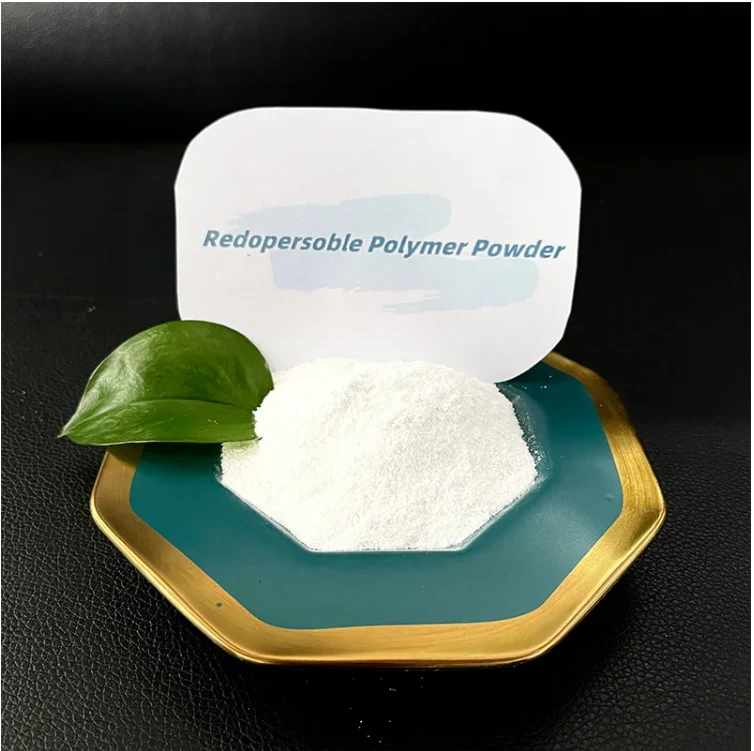
Hydroxypropyl methylcellulose, commonly abbreviated as HPMC, is a pivotal compound in various indust


